What Caused the Great Depression?
4 min read
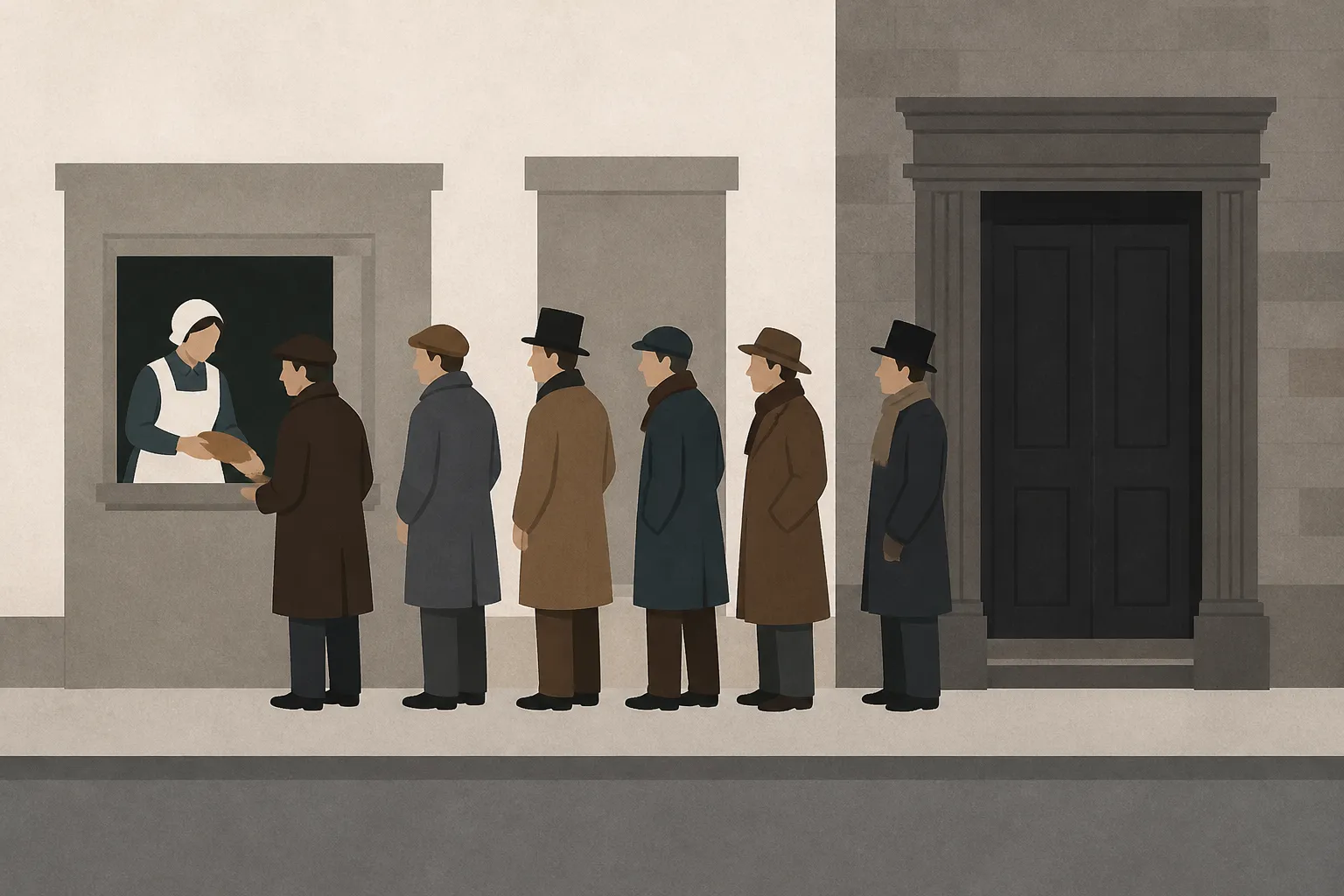
The Great Depression was the worst economic crisis in modern American history. Between 1929 and 1933, output fell sharply, banks failed in large numbers and about a quarter of American workers lost their jobs. Many people point to the stock market crash of October 1929 as the cause. In fact the crash was a sign of deeper weaknesses, and economists and historians still debate how the pieces fit together.
Did the stock market crash cause it?
The crash was not the sole cause. Stock prices had climbed in the 1920s, driven by speculation and by buying on credit, called buying on margin. In October 1929, prices fell sharply, and on 29 October, "Black Tuesday," panic selling peaked. The crash wiped out wealth and confidence, but only a small share of Americans owned stocks. The wider damage came from what happened to banks, spending and credit afterward.
What weaknesses existed in the 1920s economy?
The decade looked prosperous, but there were warning signs.
- Uneven income. Wages did not keep up with productivity, so consumers could not buy all that factories produced. Wealth was concentrated at the top.
- Farm trouble. Farmers faced falling prices and heavy debt from the end of World War I onward.
- Heavy debt. Many families and businesses had borrowed to buy cars, appliances and stocks.
- Weak banks. Thousands of small banks, with no deposit insurance, were fragile.
What was the role of the banks?
When customers feared losing their savings, they rushed to withdraw their money, causing "bank runs." Because banks lend out most deposits, many failed. Thousands of banks collapsed between 1930 and 1933, wiping out savings and cutting credit to businesses. The failures led people and companies to spend less, which worsened the downturn.
What did the Federal Reserve do?
Economists Milton Friedman and Anna Schwartz argued that the Federal Reserve made the crisis worse by letting the money supply shrink instead of acting to supply cash to the banks. Other scholars, such as Ben Bernanke, stressed how bank failures cut credit. Most modern views agree that mistaken monetary policy was a major factor.
What was the gold standard's role?
Countries linked their currencies to gold, which limited their ability to expand the money supply and spread the crisis from one country to another. Nations that left the gold standard earlier, such as Britain in 1931, tended to recover sooner. The United States left it in 1933, early in the term of Franklin Roosevelt.
Did tariffs make it worse?
In 1930, Congress passed the Smoot-Hawley Tariff, which raised duties on many imports. Other countries retaliated, and world trade fell sharply. Most economists think the tariff did not start the Depression but worsened it by hurting trade, especially for farmers who needed export markets.
Was it a global crisis?
Yes. The Depression struck Europe, Latin America, Asia and beyond. Germany, which depended on American loans, was hit hard, and the political upheaval of the era, including the rise of the Nazi Party, was connected to economic despair. Some scholars say the global features of the crisis, such as the gold standard and trade collapse, show the importance of international factors.
How did the government respond?
President Herbert Hoover took some measures, including support for businesses and public works, but he opposed large direct relief. After Roosevelt's election, the New Deal tried relief, recovery and reform, as described in how the New Deal changed the federal government. Economists still argue about whether it ended the Depression, or whether wartime spending did.
What can the Depression teach us?
It shows how bank panics, debt and falling demand can feed on each other, and why governments later created safety nets such as deposit insurance and unemployment benefits. The era also changed the way people thought about government. Earlier American crises that shaped the role of government include the ones discussed in why colonists objected to the Stamp Act.
What did it feel like to live through it?
For millions of people the Depression meant lost jobs, lost homes and lost savings. Families moved in with relatives, men rode freight trains looking for work, and shantytowns of makeshift shelters, nicknamed "Hoovervilles," appeared on the edge of cities. In the Great Plains, a drought and bad farming practices produced the Dust Bowl, which drove many farm families west, as in the story told by John Steinbeck in The Grapes of Wrath. Surveys and letters to the Roosevelt White House show people asking for help with rent, food and medicine. The human side of the story matters because it explains why people were willing to accept such large changes in government in the years that followed.