Why Did Reconstruction End in 1877?
4 min read
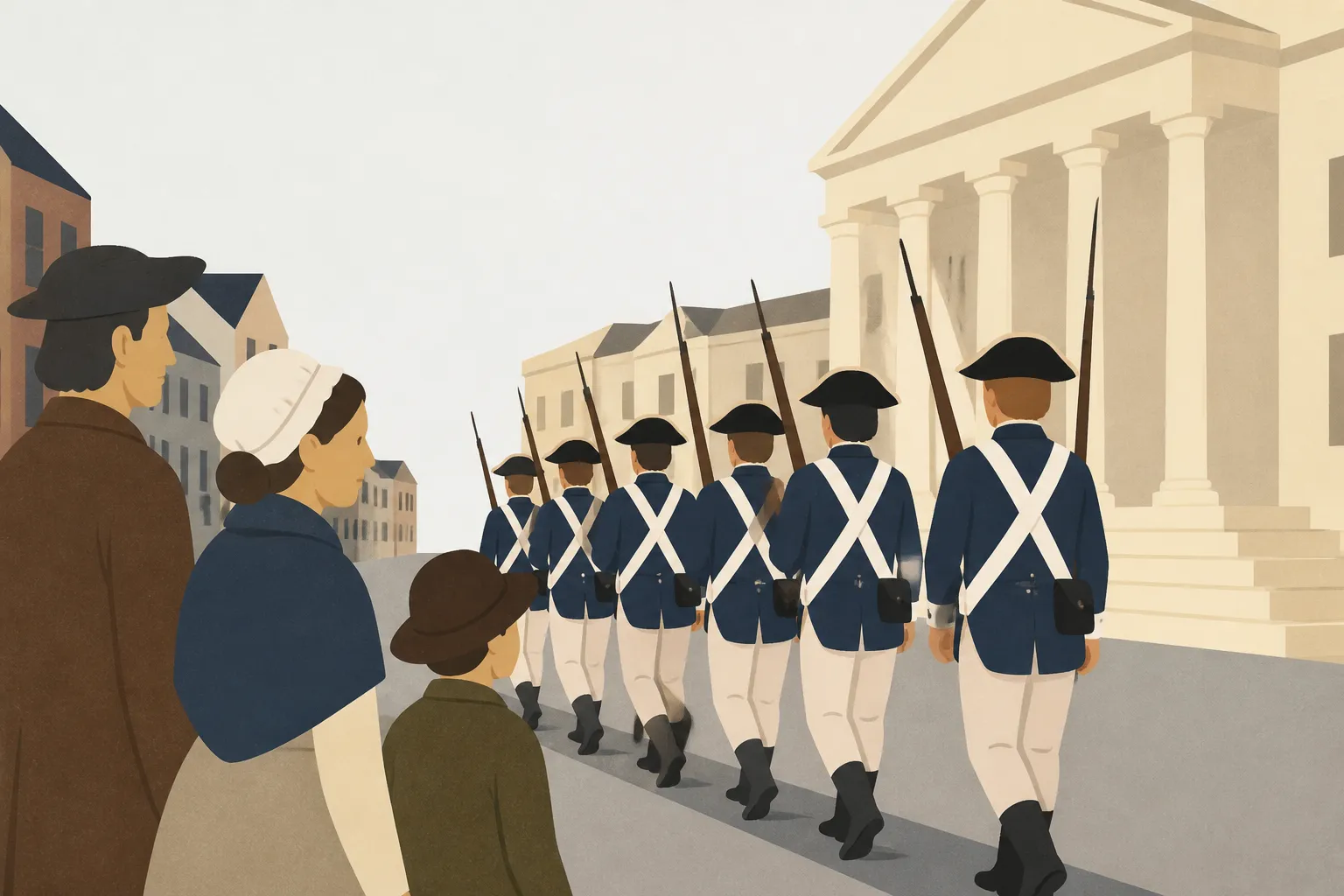
Reconstruction was the period after the Civil War, from 1865 to 1877, when the United States tried to rebuild the South and decide the place of four million formerly enslaved people in the nation. It brought major change, including constitutional amendments and Black officeholders, but it ended in 1877 with the withdrawal of federal troops from the South and a return to white Democratic control. The end came through a mix of violence, political fatigue and a disputed election.
What did Reconstruction achieve?
In its early years, Congress passed three constitutional amendments. The Thirteenth ended slavery in 1865, the Fourteenth in 1868 guaranteed citizenship and equal protection of the laws, and the Fifteenth in 1870 said the right to vote could not be denied because of race. The Freedmen's Bureau helped with schools, food and labor contracts. Black men voted and held office as sheriffs, legislators and members of Congress, and Southern states created public school systems for the first time.
How did white Southerners resist?
Resistance began immediately. Southern states passed "Black Codes" in 1865 and 1866 that limited the rights of freed people, and violence became a tool of politics. The Ku Klux Klan, founded in 1866, and groups such as the White League in Louisiana and the Red Shirts in South Carolina used terror to keep Black people from voting and to drive out Republican officials. Massacres such as those in Colfax, Louisiana, in 1873 killed many Black citizens. Congress passed Enforcement Acts in 1870 and 1871 and the federal government prosecuted the Klan for a time.
Why did Northern support weaken?
Several developments reduced the will of the North to continue. The economic Panic of 1873 caused a depression, and voters worried more about jobs than about the South. Corruption scandals in the Grant administration damaged the Republican Party. Many Northerners grew tired of what they saw as endless conflict in the South, and some accepted arguments that Southern states should be left to manage their own affairs. Racial prejudice in the North also limited support for equality.
How did the courts weaken the amendments?
The Supreme Court narrowed the Fourteenth and Fifteenth Amendments. In the Slaughter-House Cases (1873), it read the Fourteenth Amendment's protections narrowly. In United States v. Cruikshank (1876), it overturned the convictions of white men responsible for the Colfax massacre, saying the federal government could not punish private violence in this way. These decisions made it harder to protect Black voters.
What was the election of 1876?
The presidential election of 1876 was between the Republican Rutherford B. Hayes and the Democrat Samuel Tilden. Tilden won the popular vote, but electoral votes in Florida, Louisiana and South Carolina were disputed, as were some in Oregon. A special commission awarded the disputed votes to Hayes, who became president by one electoral vote.
What was the Compromise of 1877?
Historians describe a series of informal understandings, often called the Compromise of 1877, under which Democrats accepted Hayes's win in exchange for the removal of federal troops from the remaining Southern states and other benefits for the South. The details are debated, and some scholars say the process had already begun. Hayes withdrew troops from Louisiana and South Carolina in 1877, and the last Republican state governments fell.
What happened after Reconstruction?
White Democrats, who called themselves "Redeemers," regained control of Southern governments. Over the next decades, Southern states used poll taxes, literacy tests and violence to remove Black voters and passed segregation laws, often called Jim Crow. The Supreme Court in Plessy v. Ferguson (1896) allowed "separate but equal." Black Americans kept fighting for their rights, and the civil rights movement of the twentieth century built on the promises of the Reconstruction amendments.
What do historians say?
For a long time, many white historians described Reconstruction as a failure of corrupt Black politicians. Modern scholars, following W. E. B. Du Bois and later Eric Foner, reject that view and argue that Reconstruction was a bold effort that was defeated by violence and a lack of national will. This is a continuing debate about how to protect rights, which began with the causes of the war in what caused the American Civil War, and reached into economic life too, as seen in how the New Deal changed the federal government.